For many congregations, property is more than land or buildings — it is a sacred resource entrusted for mission and community impact. Yet across California, churches and faith-based organizations often face difficult questions: How do we steward our property well? Should we consider real estate development? And if so, how do we ensure it supports both our mission and financial sustainability?
At DCG Strategies, we believe real estate is not just about transactions — it’s about transformation. Every project should align with an organization’s calling, strengthen financial health, and create positive outcomes for the community it serves. That’s why we guide congregations through a holistic assessment before any development begins.
Here are the key areas every congregation should evaluate — along with professional insights from our work helping organizations turn property into mission-driven opportunity.
1. Site Constraint Analysis: Stewarding Resources Wisely
What is physically possible on the site?
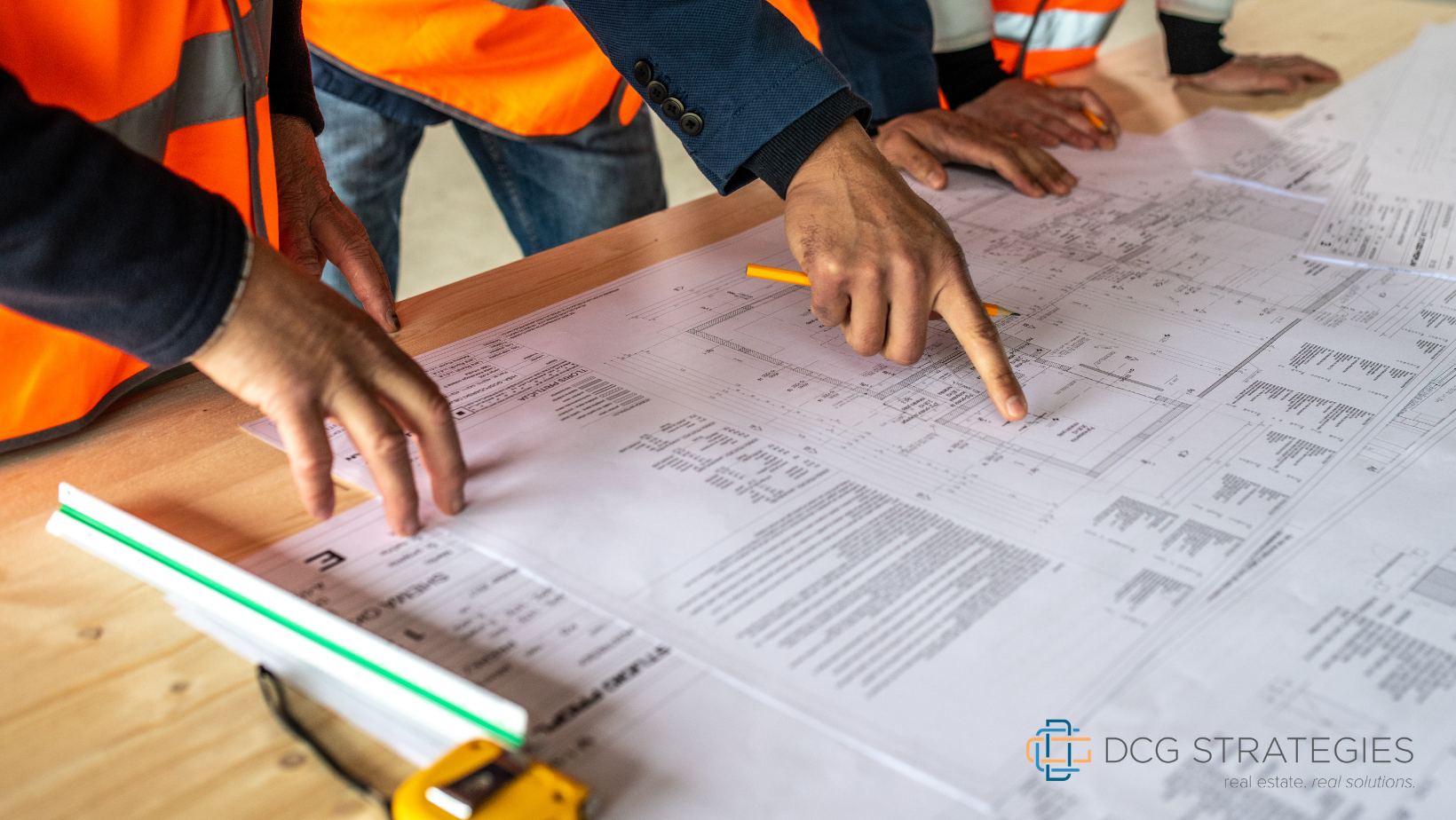
A professional site assessment will evaluate topography, lot size, access points, and existing infrastructure. For example, steep slopes or irregular lot shapes may limit building footprint, while underutilized parking lots could present development opportunities.
What constraints are present?
Easements, setbacks, rights-of-way, and utility lines can reduce usable space. Early identification helps avoid costly redesigns later in the entitlement process. Partnering with architects and engineers at the outset ensures realistic planning.
What environmental issues are present?
Environmental due diligence is critical. Issues such as soil contamination, floodplains, or seismic risk zones can add significant remediation costs or restrict development. Many congregations are surprised by these findings — a Phase I Environmental Site Assessment is often a wise first step.
2. Land Use Analysis: Ensuring Mission Alignment
What is the zoning / general plan?
Zoning determines what can legally be built. Religious properties are often located in residential zones, which may limit allowable uses. However, general plans may provide opportunities for rezoning or conditional use permits if the project addresses community needs, such as housing.
What are the likely potential uses?
Beyond “what’s permitted, ” the real question is: What use best aligns with the congregation’s mission and neighborhood context? Affordable housing, senior housing, or mixed-use community centers often complement ministry goals while meeting local demand.
What uses are likely to be approved?
Municipal priorities matter. Cities with housing shortages are often more supportive of residential projects. Projects framed around serving the community — childcare, education, or nonprofit space — are also more likely to gain approval and community buy-in.
3. Financial Analysis: Building for Long-Term
SustainabilityWhat is the maximum capacity of the site?
Capacity refers not just to what the site can physically hold, but also what is financially viable. A site may support 50 units, but if market demand and financing only support 30, pursuing the smaller option may be more realistic.
Are there financial resources available?
Congregations often underestimate the variety of funding sources available, including public grants, low-income housing tax credits, and partnerships with mission-aligned developers. Exploring these early helps frame realistic expectations.
Can the property’s cash flow sustain operations?
Beyond development costs, consider ongoing operations: maintenance, staffing, and reserves. A project that generates steady rental income or provides long-term ground lease revenue may
be more beneficial than a one-time land sale, depending on congregational needs.
4. Congregational Readiness: Centering People in the Process
Even if the site and financials align, projects succeed only when the congregation is united around vision and purpose.
Ask:
- Is leadership aligned and empowered?
- Does the project resonate with the congregation’s mission and theology?
- Are there governance and decision-making structures in place to support the process?
At DCG, we’ve seen that true transformation happens when property decisions flow from shared values and community calling.
Partner with DCG Strategies
At DCG Strategies, our mission is to help organizations align property decisions with purpose. From site analysis to stakeholder engagement, we walk alongside congregations to ensure that real estate development strengthens both mission and community impact.
📞 Call us at 925-479-1350
🌐 Visit us at dcgstrategies.com
Your property is more than an asset — it is an opportunity to serve your congregation and your
community. Let DCGStrategies help you transform that opportunity into a legacy.